Share
 Post
 Email
 Share
 Share
 Share


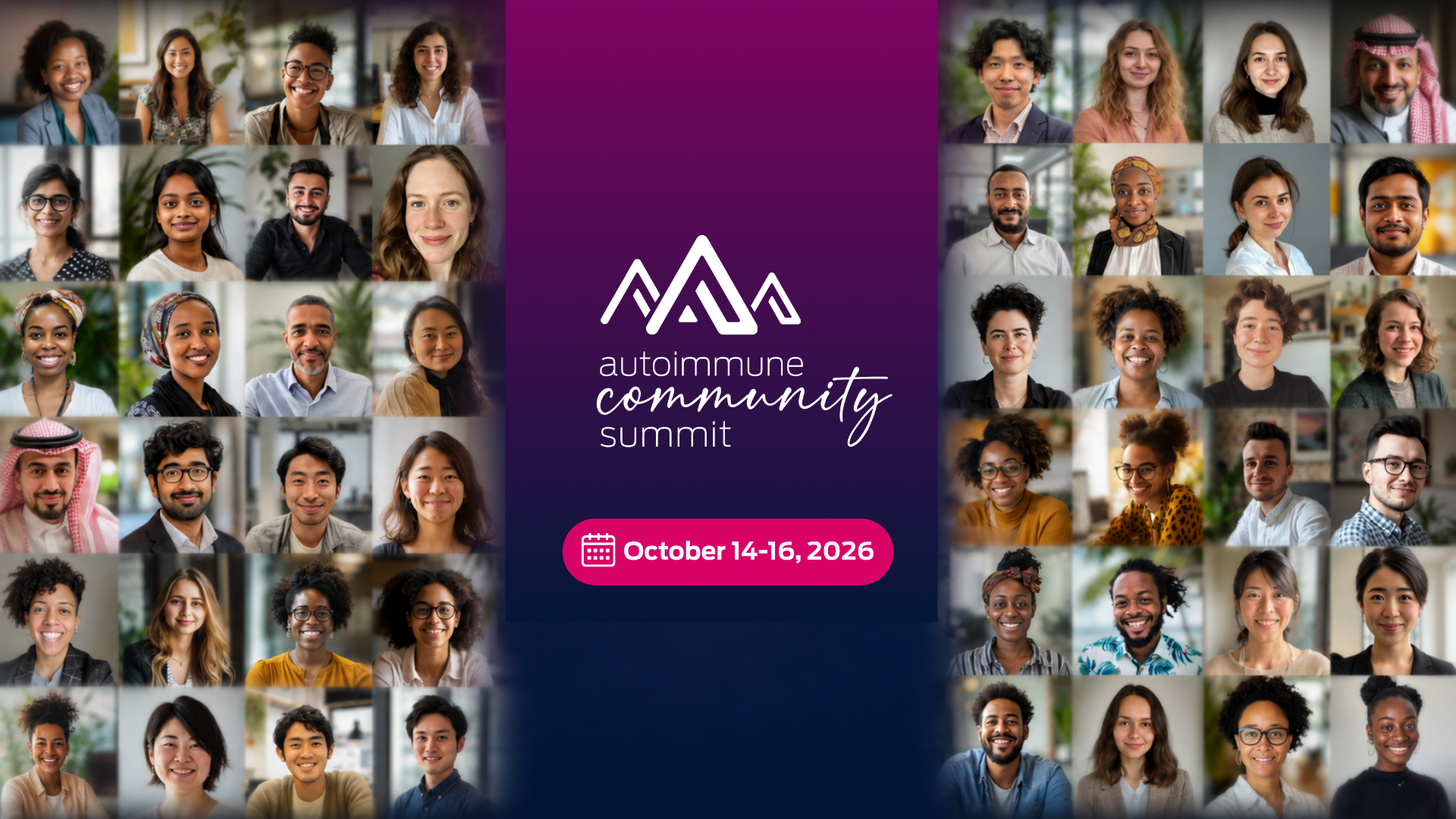

Living with autoimmune disease can feel overwhelming—but you don't have to navigate it alone. That's why the Autoimmune Community Summit exists.
This free, virtual event brings together leading experts, researchers, clinicians, patient advocates, and fellow community members to deliver trusted information, practical tools, and meaningful support, all in one convenient place.
In just three days, you'll hear insights that could otherwise take months to discover on your own. Instead of spending countless hours searching for answers across websites, forums, scientific journals, podcasts, articles, and social media, you'll gain instant access to the information you need right now.
Explore the latest research, discover practical strategies for managing symptoms and improving daily life, and gain insights that can help you navigate the healthcare system with greater confidence. Hear what scientists are learning today, what it could mean for the future, and connect with a community that truly understands the realities of living with autoimmune disease.
Instead of searching for answers on your own, we've gathered them for you. It's free. It's accessible. And it’s created just for you. Everything you need, all in one place. Join us.
Agenda
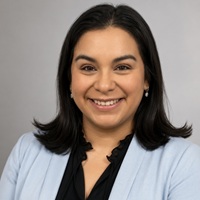
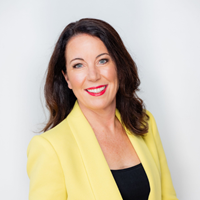
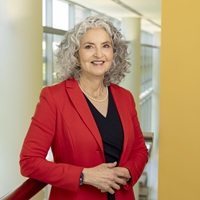
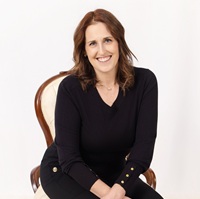
Molly Murray
President & CEO, Autoimmune Association
President & CEO, Autoimmune Association
A mission-driven leader, Molly joined the association in 2021, bringing two decades of non-profit management and advocacy experience. She has established the organization’s multi-year strategic plan and leads its work to change the course of autoimmune disease through accelerating research, advancing earlier diagnosis and better treatments, and improving the quality of life for the estimated 50 million Americans living with autoimmune disease. As an autoimmune patient herself, Molly is passionate about creating community so that no one walks the autoimmune journey alone. She holds a Master of Arts in Public Policy from the University of Chicago, as well as the Certified Association Executive (CAE) credential. In her spare time, she enjoys staying active outdoors, traveling, and checking out the culinary scene wherever she is.
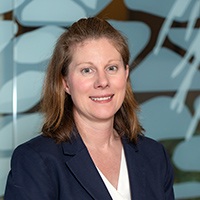
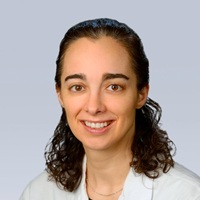
Amanda L . Piquet, MD, FAAN
Director, Autoimmune Neurology Program Céline Dion Foundation Endowed Chair in Autoimmune Neurology Associate Program Director, NeuroID & Autoimmune Neurology Fellowship Professor, Department of Neurology, University of Colorado Anschutz
Director, Autoimmune Neurology Program Céline Dion Foundation Endowed Chair in Autoimmune Neurology Associate Program Director, NeuroID & Autoimmune Neurology Fellowship Professor, Department of Neurology, University of Colorado Anschutz
Dr. Amanda Piquet is the Céline Dion Foundation Endowed Chair and Director of the Autoimmune Neurology Program, Associate Program Director for the Neuro-infectious Disease and Autoimmune Neurology Fellowship, and a Professor in Neurology at the University of Colorado. She completed her medical school training at Pennsylvania State University, neurology residency at Harvard’s Mass General Brigham program, and fellowship in Autoimmune Neurology at the University of Utah. Dr. Piquet’s research program seeks to advance our understanding of rare autoimmune neurologic disorders through observational studies, translational studies focused on identifying potential biomarkers associated with neurological outcomes and treatment response, and innovative clinical trials. At her institution, she created a patient registry that captures clinical and epidemiological data, patient-reported outcomes, and biorepository specimens for biomarker exploration.
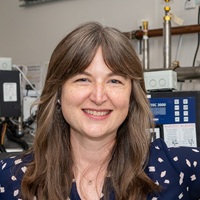
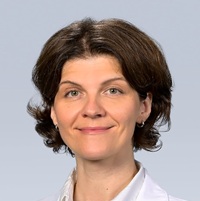
Megan Smithmyer, PhD
Staff Scientist, Benaroya Research Institute
Staff Scientist, Benaroya Research Institute
Dr. Smithmyer has worked at Benaroya Research Institute (BRI) for five years, first as a postdoctoral researcher before moving to her current role as a Staff Scientist. Her work has focused on describing immunotypes, the steady state of a person’s immune system, in a well-characterized cohort of adults without an autoimmune diagnosis. By understanding the range of immunotypes observed in that setting, their associations with immune response, and evolution over the lifespan, she hopes to better understand who might be at increased risk for autoimmune disease. In addition to this work, she helps manage the BRI Biorepository, a collection of samples and data donated by volunteers with and without autoimmune diseases.
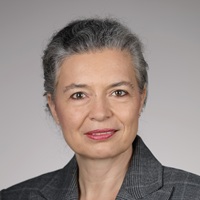
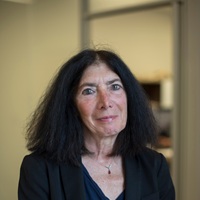
Raphaela Goldbach-Mansky, MD, MHS
Chief of Translational Autoinflammatory Disease, NIAID, NIH
Chief of Translational Autoinflammatory Disease, NIAID, NIH
Dr. Raphaela Goldbach-Mansky is Chief of the Translational Autoinflammatory Disease Section (TADS) at NIAID, NIH. Her research integrates clinical, genetic, and molecular studies to uncover the mechanisms of early-onset autoinflammatory diseases and translate these discoveries into targeted therapies. Her seminal work in NOMID and DIRA established IL-1 inhibition as standard of care and supported FDA approval of IL-1–blocking therapies. Studies in CANDLE, SAVI, and related disorders have defined key roles for type I and type II interferons in driving sterile inflammation and organ damage and advanced mechanism-based therapeutic strategies for interferon-mediated diseases. She co-founded the Translational Autoinflammatory Research Network (TARN), a global network that accelerates diagnosis and the translation of mechanistic discoveries into targeted treatments, embodying the principle that “research is care.
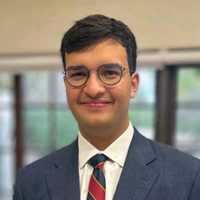
Kabir Budlender
Moderator
Member of the Junior Medical & Scientific Advisory Council | Patient Research Partner, -
Member of the Junior Medical & Scientific Advisory Council | Patient Research Partner, -
Kabir is a patient advocate working across the US, Europe and South Africa to improve outcomes for young people living with autoimmune conditions. He is a EULAR-trained Patient Research Partner in Rheumatology and Autoimmune Disease, contributing to multiple projects and publications globally. His research areas have included developing holistic SLE, arthritis, and transition care frameworks, international self-care standards, mental health support strategies and practices for the use of digital tools/AI in Rheumatology. With the Autoimmune Association, he serves as a member of the Junior Medical & Scientific Advisory Council and previously served on the Young Adult Advisory Council. He is also involved in various European organizations. He is a student of Environmental Studies, Public Health and Music Cognition and hopes to further involve these areas in his current work.
Autoimmune and autoinflammatory research is moving quickly, and discoveries being made today are changing the way scientists understand the immune system. This theme takes attendees inside some of that exciting work and, most importantly, explains why it matters to patients. We’ll explore how studying rare autoinflammatory diseases can uncover immune pathways that may lead to more targeted treatments, what researchers are learning about the connection between the immune system and the brain, and how the growing field of exposome research is helping scientists understand the many environmental influences that may shape autoimmune disease.
11:05 AM - 11:35 AM The Exposome and Environmental Impacts on Autoimmune Disease and Q&A
11:35 AM - 12:05 PM When the Immune System Affects the Brain and Q&A
12:05 PM - 12:35 PM Understanding New Immune Diseases: Inflammation, Discovery, and What Patients Should Know and Q&A
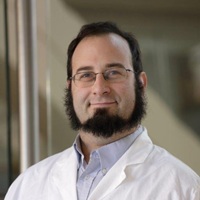
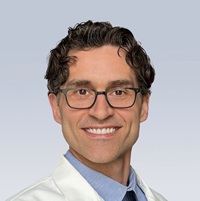
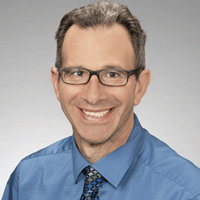
Adam Schiffenbauer, MD
National Institute of Environmental Health Sciences
National Institute of Environmental Health Sciences
Adam Schiffenbauer, M.D., is Deputy Head of the Environmental Autoimmunity Group and a clinical investigator in rheumatology. The mission of the Environmental Autoimmunity Group is to understand the mechanisms for the development of autoimmune diseases so that group members can extend healthy life and reduce the burdens of illness and disability. The group conducts a broad program of clinical, translational, and basic investigations on autoimmune diseases.
Schiffenbauer leads several research studies. He serves as principal investigator for several protocols including an investigational drug study evaluating sodium thiosulfate for the treatment of calcinosis. He also serves as faculty in the NIAMS Rheumatology Fellowship Program. In addition, he serves on several NIH intramural committees along with serving in leadership roles across international consortia that evaluate and conduct a wide range of studies.
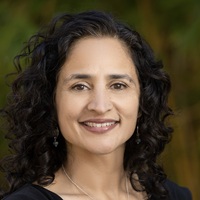
Neha Shah, MD
Assistant Professor, Stanford Immunology/Rheumatology
Assistant Professor, Stanford Immunology/Rheumatology
Dr. Neha Shah, MD, is a Clinical Assistant Professor in the Division of Immunology & Rheumatology at Stanford University. She served as Program Director for the Adult Rheumatology Fellowship for seven years and is currently the Director of the Integrative Rheumatology Clinic. Dr. Shah completed her medical training at the University of Florida, residency at the University of Miami, and fellowship at Stanford University. She also completed a fellowship in Integrative Medicine at the University of Arizona. Dr. Shah has studied Functional Medicine, is board certified in Lifestyle Medicine, and is currently pursuing Advanced Practitioner certification at the Kerala Ayurveda Academy. As a committed clinician and educator whose practice of contemporary, evidence-based medicine is deeply informed by ancient wisdom, Dr. Shah has worked in partnership with hundreds of patients to develop personalized and comprehensive treatment plans that incorporate medications, diet and lifestyle changes, mind-body techniques, and supplements with a goal toward optimal wellness.
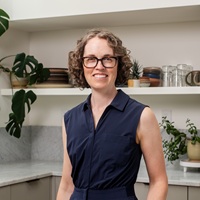
Mickey Trescott, MSc.
Mickey Trescott, Clinical Nutritionist, The Autoimmune Protocol
Mickey Trescott, Clinical Nutritionist, The Autoimmune Protocol
Mickey Trescott, MSc, is an author, nutrition professional, and leading voice in the Autoimmune Protocol (AIP) community. She holds a Master of Science in Human Nutrition and Functional Medicine and has supported autoimmune clients in private practice since 2013.
As co-founder of Autoimmune Wellness, she helped grow AIP from a small online community into a globally recognized, research-supported protocol. She has collaborated with medical researchers studying AIP for conditions including inflammatory bowel disease, Hashimoto’s thyroiditis, rheumatoid arthritis, and psoriasis, and co-created the AIP Certified Coach Practitioner Training Program, which has trained more than 1,000 providers worldwide.
She is the author of four award-winning and best-selling books, including The New Autoimmune Protocol, which introduces the first major update to AIP in over a decade. She lives near Portland, Oregon, with her husband, Noah.
Instagram - Autoimmune Wellness Pod

Amélie Wilcox, RN
Moderator
Member, Autoimmune Association Young Adult Advisory Council, -
Member, Autoimmune Association Young Adult Advisory Council, -
Amélie Wilcox is a registered nurse, autoimmune disease advocate, nonprofit founder, and member of the Autoimmune Association’s Young Adult Advisory Council. Through her work in rheumatology and community advocacy, Amélie is passionate about increasing awareness of autoimmune diseases and making the often-invisible experiences of patients more visible and understood. At 16, she founded The Rocke Grace Foundation for Music + Medicine, a nonprofit dedicated to supporting autoimmune disease awareness through music fundraising and community outreach. Her advocacy has expanded through the Autoimmune Association, where she serves on the Outreach & Collaboration team of YAAC, helping connect young adults and communities with autoimmune disease education and resources. Amélie is committed to using her voice across healthcare, nonprofit work, and public advocacy to create greater understanding, connection, and support for the autoimmune community!
Living well with autoimmune disease involves more than managing medications and appointments. This theme looks at some of the everyday factors that may influence health and well-being, from environmental exposures to nutrition and other lifestyle practices. Attendees will hear what the science tells us, where questions still remain, and how lifestyle approaches can complement our medical care. We’ll finish by heading into the kitchen for a practical, hands-on cooking demonstration featuring nourishing, allergen-friendly recipes designed for real life.
1:05 PM - 1:35 PM: Environmental Triggers and the Immune System and Q&A
1:35 PM - 2:05 PM: Nutrition and Lifestyle Consideration and Q&A
2:05 PM - 2:35 PM Nourish to Flourish: Cooking for Autoimmune Wellness and Q&A
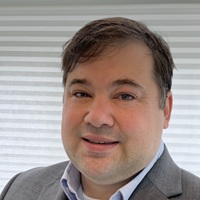
Mark R. Zielinski, PhD
Assistant Professor and Research Health Scientist, Harvard Medical School and Boston VA Healthcare System
Assistant Professor and Research Health Scientist, Harvard Medical School and Boston VA Healthcare System
Dr. Mark R. Zielinski, Ph.D., is an Assistant Professor of Psychiatry at Harvard Medical School and serves as the Director of the Neuroimmunology and Sleep Laboratory at the VA Boston Healthcare System. His pioneering research centers on the complex biochemical and molecular mechanisms that regulate sleep, particularly focusing on how innate immune responses, neuroinflammation, and specific protein complexes like the NLRP3 inflammasome drive recuperative sleep. A highly cited neuroscientist, Dr. Zielinski's work bridges the gap between sleep medicine and immunology to advance our understanding of brain health, sleep disorders, trauma-induced sleep disruptions, fatigue, and autoimmune diseases.
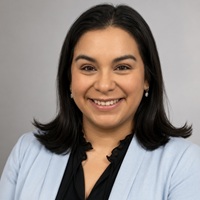
Lauryn Gibbons
Autoimmune Advocate
Autoimmune Advocate
Ask almost anyone living with autoimmune disease about fatigue or brain fog, and they will tell you these symptoms are very real. Science is finally beginning to catch up. This theme explores emerging research into the connections among immune activity, sleep, circadian rhythms, fatigue, and cognitive symptoms, including what researchers are learning about biological differences that may affect how these symptoms are experienced. Then we’ll move from the laboratory to daily life with a practical and very human conversation about “energy economics” to help understand the energy you have and making thoughtful choices about where and how to spend it.
3:05PM - 3:35PM Fatigue, Brain Fog, and Sleep Science and Q&A
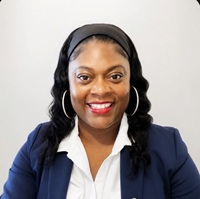
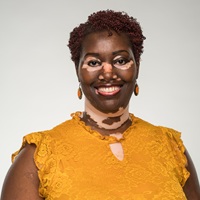
Kaniah Gunter
Volunteer , Autoimmune Association
Volunteer , Autoimmune Association
Kaniah Gunter is a certified integrative nutrition health coach, community health worker, author, mental health first aider, and advocate for cerebral palsy and autoimmune disease. She has been living with dermatomyositis NXP-2 since 2007. As a Myositis Ambassador with The Myositis Association, a Women of Color Leader, and a volunteer for the Autoimmune Association, she is passionate about raising awareness, amplifying patient voices, and empowering others living with chronic autoimmune disease.
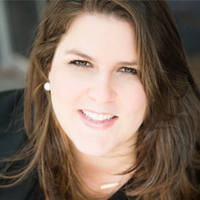
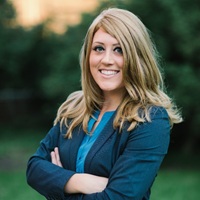
Sloane Salzburg
Principal, Monument Advocacy
Principal, Monument Advocacy
Sloane Salzburg is a Principal at Monument Advocacy, where she helps lead government affairs strategy and execution for clients and coalitions in the firm's healthcare practice. Known for translating complex policy into clear, actionable strategies, she is sought after by clients and trusted by policymakers, industry, and allied organizations alike.
Sloane designs and executes advocacy campaigns and top-tier policy summits, while providing high-level policy counsel and direct lobbying support. She also manages the Council for Affordable Health Coverage, driving stakeholder engagement and strategic alignment to advance innovative solutions in the healthcare space.
Sloane spent 12 years with Horizon Government Affairs before it was acquired by Monument, and previously worked on Capitol Hill. She holds a Master's in Biomedical Science & Policy from Georgetown University and a Bachelor's in Zoology from the University of Florida. She has also been an Adjunct Professor in Biology at Daytona State College and worked as an Emergency Room Technician.
Outside her professional work, Sloane serves as Chair of the Board of the Autoimmune Association and volunteers with the Make-A-Wish Foundation.
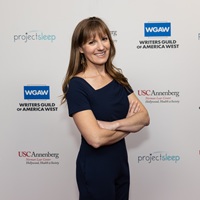
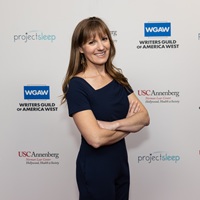
Julie Flygare, JD
President & CEO, Project Sleep
President & CEO, Project Sleep
Julie Flygare, JD, serves as President & CEO of Project Sleep. Flygare is an internationally recognized patient-perspective leader, an accomplished advocate, and the award-winning author of Wide Awake and Dreaming: A Memoir of Narcolepsy. In March 2022, she delivered the TEDx Talk, “What Can You Learn from a Professional Dreamer?” Recently, the Sleep Research Society awarded Flygare the 2024 Public Service Award for significantly advancing the mission of the SRS through advocacy and public policy efforts.
Lauryn Gibbons
Autoimmune Advocate
Autoimmune Advocate
Ask almost anyone living with autoimmune disease about fatigue or brain fog, and they will tell you these symptoms are very real. Science is finally beginning to catch up. This theme explores emerging research into the connections among immune activity, sleep, circadian rhythms, fatigue, and cognitive symptoms, including what researchers are learning about biological differences that may affect how these symptoms are experienced. Then we’ll move from the laboratory to daily life with a practical and very human conversation about “energy economics” to help understand the energy you have and making thoughtful choices about where and how to spend it.
11:05 AM - 11:35 AM Energy Economics: Living with Limited Energy and Q&A
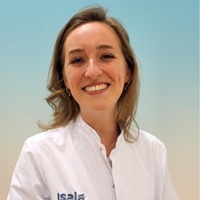
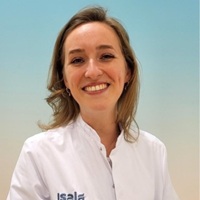
Marjolein A.Y. Klaassen, MD, PhD
Gastroenterology resident, Clinical Scientist at MIT, cofounder & CMO BioCognitive Engines, Massachusetts Institute of Technology
Gastroenterology resident, Clinical Scientist at MIT, cofounder & CMO BioCognitive Engines, Massachusetts Institute of Technology
Dr. Klaassen is a clinical scientist at MIT’s Center for Microbiome Information and Therapeutics and a gastroenterology resident at Isala Hospital in Zwolle, the Netherlands. Her research focuses on integrating clinical and computational approaches to improve personalized treatments for patients with IBD, colorectal cancer, and hepatologic diseases. She has led large clinical trials at Massachusetts General Hospital and currently serves as Co-Director of the Clinical Program at MIT’s Center for Microbiome Information and Therapeutics. Dr. Klaassen also co-founded BioCognitive Engines (biocog.org) with colleagues from Harvard, MIT, and Stanford, a start-up focused on using patient-specific biology to identify mechanisms that may be driving unexplained symptoms and complex disease.
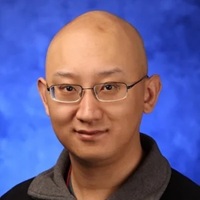
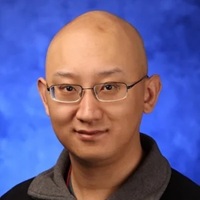
Dajiang Liu, PhD
Distinguished Professor, Penn State College of Medicine
Distinguished Professor, Penn State College of Medicine
Dajiang Liu, PhD, is a University Distinguished Professor and Vice Chair for Research in the Department of Public Health Sciences at Penn State College of Medicine. He directs the Center for Artificial Intelligence and Biomedical Informatics, the Institute for Genomic Discovery and Health, and co-leads the Bioinformatics and Genomics PhD program. His research develops statistical, computational, and artificial intelligence methods to study the genetic architecture of complex diseases, integrate genomic and electronic health record data, and advance precision medicine. His work spans statistical genetics, functional genomics, single-cell analysis, drug response, and biomedical data science. Dr. Liu has led multiple NIH-funded projects and interdisciplinary collaborations, translating methodological innovation into practical tools for disease discovery, clinical research, and improved patient care.
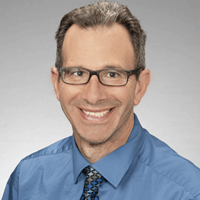
Julius Birnbaum, MD, MHS
University of Pittsburgh Medical Center
University of Pittsburgh Medical Center
Julius Birnbaum, MD, MHS, is a rheumatologist with 20 years of clinical experience. He is the only physician in the United States trained in internal medicine, neurology, and rheumatology, giving him a rare and valuable perspective on treating patients with autoimmune diseases. Dr. Birnbaum is dedicated to developing personalized treatment plans tailored to each patient’s unique needs.
He completed his neurology residency at Mount Sinai Hospital, internal medicine residency at Jacobi Medical Center, and rheumatology fellowship at Johns Hopkins University School of Medicine. Currently, he serves as an Associate Professor in the Division of Rheumatology and as Division Chief of Rheumatology at University of Pittsburgh Medical Center Mercy Hospital.
Over the past two decades, Dr. Birnbaum has cared for thousands of patients with autoimmune diseases. He is a passionate advocate, fiercely committed to improving the lives of those he treats.
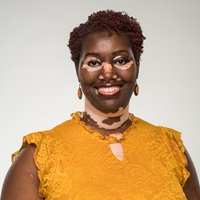
Irene O. Aninye, PhD
Moderator
Principal & Founder, WELL Co.
Principal & Founder, WELL Co.
Dr. Irene O. Aninye is a scientist and health policy leader, and the founder of WELL Co. Solutions, a consultancy that advises organizations on research and healthcare strategy, cross-disciplinary scientific programming, and evidence-based policy development. Adept at translating complex scientific concepts into actionable recommendations, she builds scientific ecosystems that accelerate health impact. Dr. Aninye has authored healthcare roadmaps, policy reports, and clinical and patient education materials across an array of topics that include cardiovascular health, autoimmune diseases, menopause, and public health. She was previously the Chief Science Officer for the Society for Women's Health Research and currently serves on advisory boards for the National Institutes of Health, Fearless Institute, and the World Economic Forum's Global Alliance for Women's Health, among others. Dr. Aninye holds a PhD in Molecular and Integrative Physiology from the University of Illinois at Urbana-Champaign.
What could autoimmune care look like in the years ahead? This theme looks at some of the biggest challenges, and most promising opportunities, on the horizon. We’ll start with the frustratingly familiar problem of delayed diagnosis and why autoimmune diseases can be so difficult to recognize. From there, we’ll explore how artificial intelligence could help researchers and clinicians make sense of enormous amounts of health data while taking a clear-eyed look at its limitations and risks. Finally, we’ll turn to emerging science and new approaches that could help reshape how autoimmune diseases are understood, monitored, and treated.
12:05 PM - 12:35 PM Why It Takes So Long to Get a Diagnosis and Q&A
12:35 PM - 1:05 PM AI and the Future of Autoimmune Medicine and Q&A
1:05 PM - 1:35 PM New and Encouraging Treatments and Immune System Research and Q&A
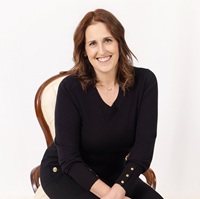
Erin Bradshaw
Executive Vice President, Development & Strategy, Patient Advocate Foundation
Executive Vice President, Development & Strategy, Patient Advocate Foundation
Erin Bradshaw is Executive Vice President, Development & Strategy at Patient Advocate Foundation (PAF), where she leads fundraising and strategic partnerships that sustain and expand high impact national case management services. With more than 27 years of experience—including her early career as a case manager and over two decades in operational leadership—Erin is a trusted speaker on navigating the complexities of the U.S. healthcare and health insurance systems. She draws on both lived and professional experience to engage audiences, elevate the patient voice, and translate real world challenges such as coverage denials, affordability barriers, and system confusion into actionable, patient centered insights.
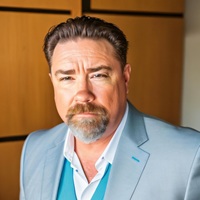
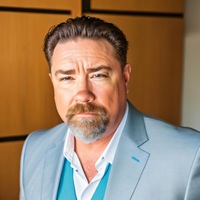
Harlon Pickett
Moderator
Founder and President , Eagle Care Health Solutions
Founder and President , Eagle Care Health Solutions
Harlon Pickett is a nationally recognized advocate and leader in healthcare and insurance with nearly 20 years of experience helping employers, families, and industry professionals navigate a rapidly changing landscape. As Founder and President of Eagle Care Health Solutions and CEO of H Pickett Insurance Agency, he specializes in creating innovative, affordable, and sustainable health benefit strategies. He also serves as Chairman of the Advisory Board for the Federal Employee Service Association and holds leadership roles with Health Agents for America, the National Association of Benefits and Insurance Professionals, the Free Market Medical Association, and the NextGen Benefits Network.
A dynamic speaker, podcast host, and educator, Harlon’s ability to simplify complex topics into actionable strategies makes him a sought-after voice at industry events and conferences nationwide.
Getting the care you need can sometimes mean navigating a healthcare system that is anything but simple. This theme offers practical information to help patients become more confident advocates for themselves and their communities. We’ll look at what patients can do when they encounter insurance barriers, prior authorization requirements, coverage denials and how to approach an appeal. We’ll also explore how federal health policy affects patients and how individuals can make their voices heard by elected officials, even without traveling to Washington.
2:05 PM - 2:35 PM Tips on How to Navigate Your Health Insurance, Prior Authorization, and Appeals and Q&A
Sponsored By: 
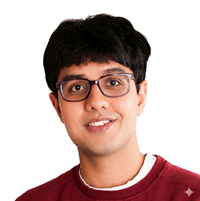
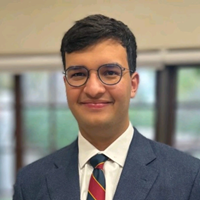
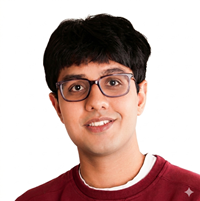
Arpit Ramani
Young Adult Advisory Council (YAAC), Autoimmune Association
Young Adult Advisory Council (YAAC), Autoimmune Association
Arpit Ramani is a freshman studying Computer Science at the Georgia Institute of Technology. He became involved with the Autoimmune Association during his junior year of high school, when he joined its Young Adult Advisory Council (YAAC), and he recently transitioned to the Junior Medical Scientific Advisory Council (MSAC) to better apply his research skills and his interest in Artificial Intelligence/Machine Learning (AI/ML). When he's not debugging code or building new ML models, you might find him playing soccer, reading Russian literature, or thinking about new ways technology can make life easier for people living with autoimmune disease.
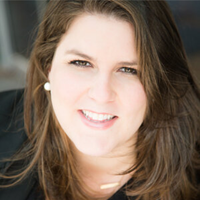
_1790263968339.jpg )
Nina Luning Prak, MD, PhD
Professor of Pathology and Laboratory Medicine at the Hospital of the University of Pennsylvania, University of Pennsylvania
Professor of Pathology and Laboratory Medicine at the Hospital of the University of Pennsylvania, University of Pennsylvania
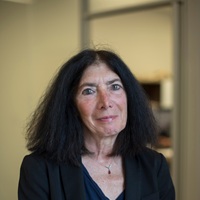
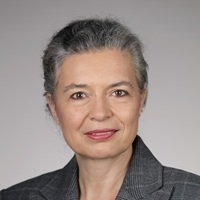
Jill P. Buyon, MD
Sir Deryck and Lady Va Maughan Professor of Rheumatology, NYU Grossman School of Medicine
Sir Deryck and Lady Va Maughan Professor of Rheumatology, NYU Grossman School of Medicine
Jill P. Buyon, M.D., Sir Deryck and Lady Va Maughan Professor of Rheumatology and Director of the Division of Rheumatology at New York University Grossman School of Medicine, is internationally recognized as a physician-scientist specializing in translational research related to reproductive health in women with autoimmune and rheumatic diseases. Dr. Buyon completed her medical training and residency at the Albert Einstein College of Medicine and rheumatology fellowship at New York University Grossman School of Medicine. She was appointed Director of the Division in 2013. She has published over 200 articles on pregnancy and neonatal lupus, and her studies have been supported by years of continuous NIH grant funding. She has been awarded the prestigious Evelyn Hess Award for lifetime achievement in lupus. A passionate translational physician-scientist, Dr. Buyon is responsible for numerous paradigm changes regarding reproductive health and systemic autoimmunity including approaches to contraception, overall management of pregnancies affected by SLE, and prevention and treatment of neonatal lupus.
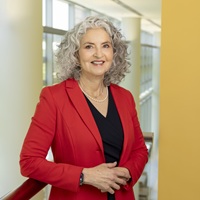
Nanette Santoro, MD
E Stewart Taylor Professor of OBGYN, University of Colorado Anschutz School of Medicine
E Stewart Taylor Professor of OBGYN, University of Colorado Anschutz School of Medicine
Dr. Nanette Santoro is the E Stewart Taylor Past Chair of Obstetrics & Gynecology at the University of Colorado School of Medicine. She has been continuously funded by the NIH since 1988 for research in female reproduction. Her work has covered the processes of the pubertal and menopausal transition, as well as clinical trials in reproduction and menopause. She has headed studies of women with premature and age-appropriate menopause such as the Women’s Health Initiative and the Kronos Early Estrogen Prevention Study (KEEPS) and the Study of Women’s Health Across the Nation. She is past Steering Committee Chair of the NICHD funded Reproductive Medicine Network of clinical trials in infertility and reproduction. She is Past President of the Society for Reproductive Investigation (2022) and President of the Endocrine Society (2026-2027). In 2018, Dr. Santoro was elected to the National Academy of Medicine.
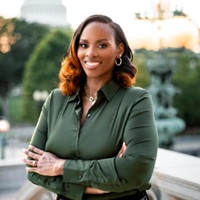
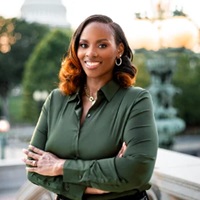
Shade' Mallory-Mason
Moderator
Engagement Coordinator, Autoimmune Association
Engagement Coordinator, Autoimmune Association
Shadé leads patient engagement and outreach initiatives that connect individuals and families to resources, advocacy opportunities, and community support. She works closely with volunteers, partners, and young adult leaders to amplify patient voices and strengthen representation across programs and initiatives. Living with lupus herself, Shadé brings both professional expertise and lived experience. She is passionate about increasing awareness of clinical trial participation and ensuring underserved communities are represented in research and advocacy efforts. Shadé holds a bachelor’s degree in communications and lives in Maryland with her husband, AJ, and their son, Zion.
Autoimmune disease often intersects with some of the biggest transitions in a woman’s life, yet questions about pregnancy and menopause have not always received the attention they deserve. This theme brings those conversations front and center. We’ll look at what women with autoimmune disease should know when thinking about pregnancy, including risk factors, disease management, and medication considerations. We’ll also tackle perimenopause and menopause, helping bring an understanding as to what is changing in the body, which symptoms may overlap with autoimmune disease, and why it can sometimes be difficult to tell what is causing what.
11:05 AM - 11:35 AM Reproductive Healthcare and Pregnancy Considerations and Q&A
11:35AM - 12:05 PM Perimenopause, Menopause, and the Immune System and Q&A
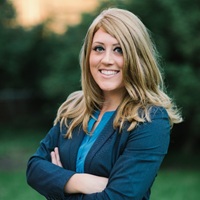
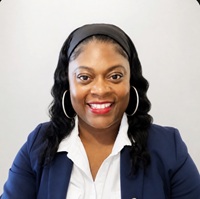
Natalie Mamerow
Executive Director, Coalition of Skin Diseases
Executive Director, Coalition of Skin Diseases
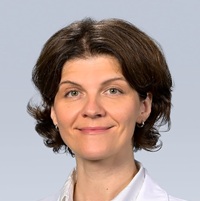
Anastassia Amaro, MD
Medical Director, Penn Metabolic Medicine Professor of Clinical Medicine (Endocrinology, Diabetes and Metabolism), Penn Medicine
Medical Director, Penn Metabolic Medicine Professor of Clinical Medicine (Endocrinology, Diabetes and Metabolism), Penn Medicine
Anastassia Amaro, MD is a Professor of Clinical Medicine in the Division of Endocrinology, Diabetes and Metabolism at the Perelman School of Medicine at the University of Pennsylvania. She serves as the Medical Director at the Center for Weight and Eating Disorders.
Dr. Amaro is a graduate of Sechenov Moscow Medical Academy in Moscow, Russia. She completed her internal medicine residency training at Lutheran General Hospital in Chicago, IL and fellowship training in Endocrinology, Diabetes and Metabolism at Washington University and Barnes-Jewish Hospital, St. Louis, MO. Board-certified in both Endocrinology and Obesity Medicine, Dr. Amaro is the founding director of Penn Metabolic Medicine translational center for non-surgical treatment of obesity. Her research interests include different therapeutic approaches to obesity and diabetes.
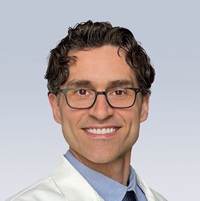
Joshua F. Baker, MD, MSCE
Professor of Medicine (Rheumatology) at the Hospital of the University of Pennsylvania and the Veteran's Administration Medical Center Associate Professor of Epidemiology in Biostatistics and Epidemiology, Penn Medicine
Professor of Medicine (Rheumatology) at the Hospital of the University of Pennsylvania and the Veteran's Administration Medical Center Associate Professor of Epidemiology in Biostatistics and Epidemiology, Penn Medicine
Dr. Baker is a Professor of Medicine (Rheumatology) at the Hospital of the University of Pennsylvania and the Veteran's Administration Medical Center and an Associate Professor of Epidemiology in Biostatistics and Epidemiology Dr. Baker's research in rheumatology focuses on body composition, skeletal muscle health, obesity, metabolic health, disease activity assessment, and disease progression among patients with rheumatoid arthritis and osteoarthritis. His work is supported largely by VA grants from Clinical Science Research & Development (R&D) and Rehabilitation R&D. Ongoing projects include work to understand the role of adipokines in the assessment of metabolic health and phenotype in patients with rheumatoid arthritis, the assessment of skeletal muscle deficits using magnetic resonance spectroscopy in patients with rheumatoid arthritis and osteoarthritis, and the evaluation of benefit of incentivized exercise and other interventions to reduce pain and disability in patients with different forms of arthritis.
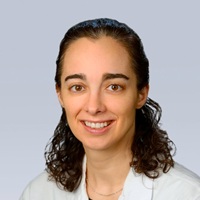
Alexis R. Ogdie, MD, MSCE
Director, Center for Clinical Epidemiology and Biostatistics and Director, Penn Psoriatic Arthritis and Spondyloarthritis Program , Penn Medicine
Director, Center for Clinical Epidemiology and Biostatistics and Director, Penn Psoriatic Arthritis and Spondyloarthritis Program , Penn Medicine
Dr. Ogdie is the Director of the Center for Clinical Epidemiology and Biosttatisitcs and the Director ofPenn Psoriatic Arthritis and Spondyloarthritis Program Dr. Ogdie's research program is focused on inflammatory arthritis (IA) including psoriatic arthritis (PsA), axial spondyloarthritis (axSpA), and rheumatoid arthritis (RA). The mission of her research program is to improve outcomes in IA by accelerating diagnosis, increasing the focus on meaningful, patient-centered outcomes, and developing and advancing methods for precision medicine. Dr. Ogdie is an expert in the care of patients with IA, Director of the Penn Psoriatic Arthritis and Spondyloarthritis Program and Director of the Penn Center for Clinical Epidemiology and Biostatistics.
Her areas of expertise include epidemiology and pharmacoepidemiology, biostatistical methods for observational studies (e.g., complex time to event modeling, prediction modeling), outcome measures (e.g., qualitative and quantitative/psychometric assessment), clinical trial design and more general qualitative methods (e.g., survey, focus group and interview studies). Her recent work has focused on a) pragmatic trial design and implementation including the recent launch of a first head-to-head pragmatic trial in PsA (EVOLUTION, NCT05669833); b) trials aimed at improving outcomes in PsA through holistic care including a trial to test Dietary Interventions in PsA (DIPSA, NCT04180904), and a new single arm trial to address whole patient care as a novel care paradigm in rheumatology (funded by a Rheumatology Research Foundation) and c) identifying risk factors for development of PsA among patients with psoriasis.
Nina Luning Prak, MD, PhD
Moderator
Professor of Pathology and Laboratory Medicine at the Hospital of the University of Pennsylvania, University of Pennsylvania
Professor of Pathology and Laboratory Medicine at the Hospital of the University of Pennsylvania, University of Pennsylvania
GLP-1 medications may be best known for weight loss, but the science and the conversation is much bigger than the number on a scale. This theme takes a closer look at metabolism, appetite, brain signaling, inflammation, and the growing questions about what GLP-1 therapies could mean for people living with autoimmune disease. Through short expert presentations, moderated discussion, and the perspective of a patient with lived experience, we’ll sort through the headlines, talk about what researchers know and what they are still learning, and give patients better information for conversations with their own healthcare providers.
12:35PM - 12:45 PM GLP-1s and Autoimmune Disease: What Every Patient Need to Know
12:45 PM - 1:00 PM Beyond Weight Loss: How GLP-1s May Affect Metabolism, Inflammation and Health
1:00 PM - 1:15 PM Losing Weight Without Losing Muscle: Staying Strong at Any Age
1:15 PM - 1:30 PM More Than Weight Loss: How GLP-1s Changed My Life as an Autoimmune Patient
1:30 PM - 2:10 PM Patient Reflections and Q&A
Molly Murray
President & CEO, Autoimmune Association
President & CEO, Autoimmune Association
A mission-driven leader, Molly joined the association in 2021, bringing two decades of non-profit management and advocacy experience. She has established the organization’s multi-year strategic plan and leads its work to change the course of autoimmune disease through accelerating research, advancing earlier diagnosis and better treatments, and improving the quality of life for the estimated 50 million Americans living with autoimmune disease. As an autoimmune patient herself, Molly is passionate about creating community so that no one walks the autoimmune journey alone. She holds a Master of Arts in Public Policy from the University of Chicago, as well as the Certified Association Executive (CAE) credential. In her spare time, she enjoys staying active outdoors, traveling, and checking out the culinary scene wherever she is.
Yes. Registration is required to attend the Autoimmune Community Summit. Once you register, you'll receive your unique login information before the event begins. We encourage you to register early so you can log in ahead of time, explore the platform, visit the virtual exhibit hall, and familiarize yourself with everything the Summit has to offer.
Yes! Thanks to the generosity of our sponsors, supporters, and donors, the Autoimmune Community Summit is completely free to attend.
If you find the Summit valuable, please consider making a donation to the Autoimmune Association. Your support helps us continue providing trusted education, expert insights, and community resources at no cost to attendees.
The Autoimmune Community Summit is a fully virtual event, so you can attend from anywhere with an internet connection. Join from the comfort of your home, your office, a coffee shop, your local library, or wherever is most convenient for you.
You can access the Summit from a desktop or laptop computer, tablet, or smartphone using any modern web browser. No special software or downloads are required.
No problem! Every educational session will be recorded and made available to registered attendees shortly after the Summit concludes. You must be registered for the event to access the recordings.
Yes! Many sessions will include opportunities to submit questions for the speakers. While we can't guarantee every question will be answered, our experts will address as many as time allows.
Some speakers may choose to provide presentation slides or additional resources. When available, these materials will be posted within the event platform for registered attendees.
Yes. You can explore the virtual exhibit hall before, during, and after live sessions. Visit exhibitor booths to learn about products, services, resources, and organizations that support the autoimmune community.
If you need assistance before or during the event, our technical support team will be available to help. Click "Contact Support" at the bottom of this page or once in the event go to the help desk for assistance.
Ways To Give
Give Hope
Because of generous supporters like you, the Autoimmune Community Summit brings together everyone touched by autoimmune disease to find trusted information, meaningful connections, and hope.
As our community comes together, your support helps make this experience possible. Every gift, no matter the size, expands access to education, community, and resources for people affected by autoimmune disease.
Make your gift today and help connect, educate, and empower individuals and families every step of the way.
Can't find what you're looking for?
_1790263968339.jpg)